Frequently Asked Questions · Phoenix, AZ
The questions Phoenix drivers actually ask us on the phone, answered the same way we would answer them on the phone. If yours is not here, call and ask.
Repairs and Replacements
Most of what people want to know comes down to three things: how long it takes, whether the damage can be saved, and when it is safe to drive again. These are the answers we give over the phone every day.
Typically 60 to 90 minutes including cleanup and the safety checks. Because we work mobile, that clock usually runs while you stay at your desk or inside the house rather than sitting in a waiting room. The adhesives we use let most vehicles drive about an hour after the install is finished, and we give you the specific time before we leave.
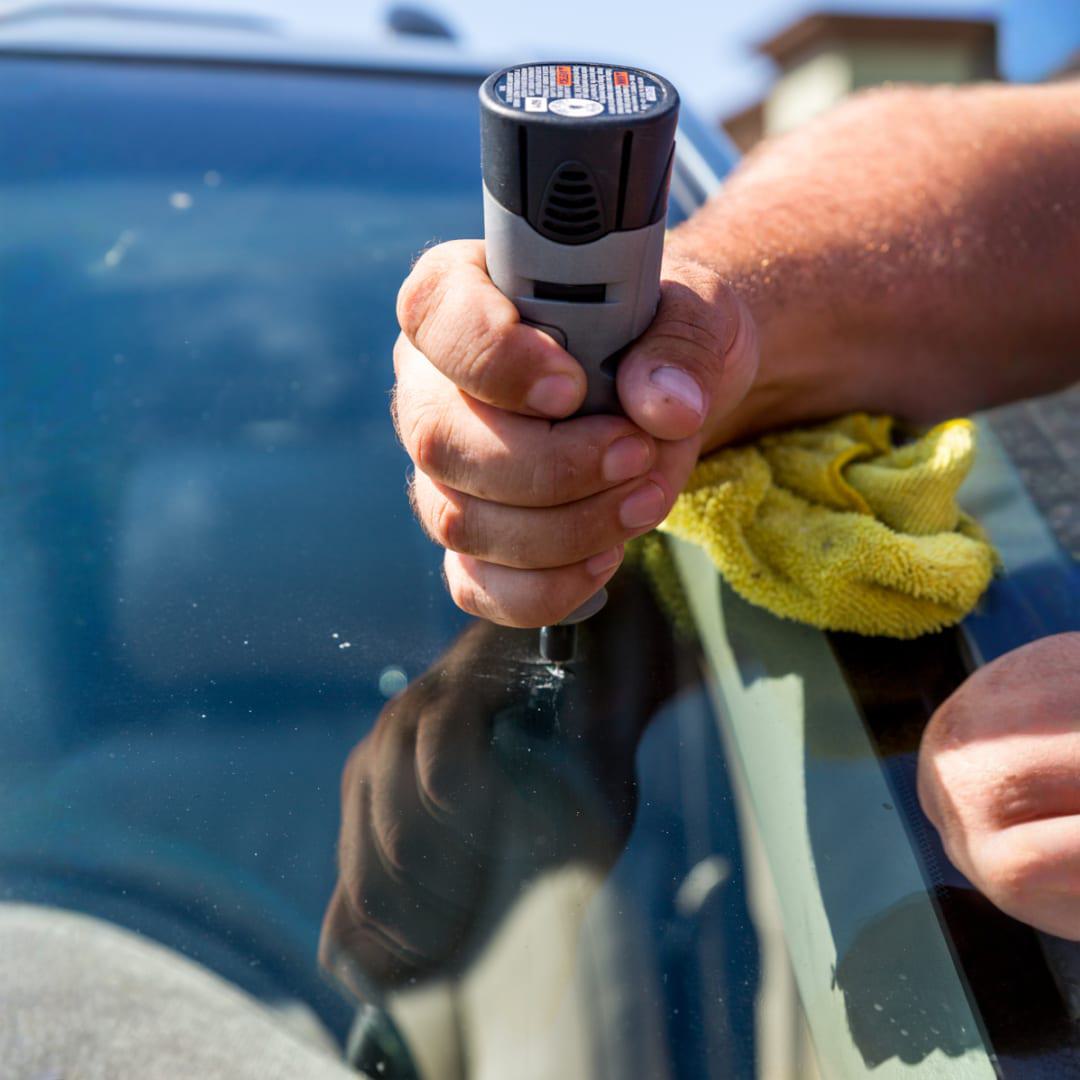
A chip caught before it spreads can usually be filled, which restores the strength of the glass and stops the damage from running. Longer cracks, or damage sitting in the driver's line of sight, generally require a full replacement. We will tell you honestly which one you are looking at, and if it can be repaired we would rather repair it.
Adhesive cures quickly in Arizona heat, and for most vehicles it is 30 to 60 minutes after installation. You will always get a specific safe drive-away time rather than a guess, because that number changes with the vehicle, the product, and the weather that day.
Yes. Sedans, SUVs, work trucks, commercial vans, luxury vehicles, and motorhomes. Glass is sourced to OEM specification for the specific model, which matters more than people expect once a vehicle has sensors, heating elements, or acoustic interlayers in the windshield.
Often, yes. With mobile crews positioned across the Valley, many customers get same-day or next-day service depending on where the glass has to come from. Call early in the day and your odds go up considerably.
With OEM-quality glass and a proper installation, as long as the factory glass would have lasted. Longevity comes down to road conditions, debris, and climate, and Phoenix is harder on glass than most places, but a correctly installed windshield should give you years of trouble-free driving.
Every replacement carries our lifetime workmanship guarantee, covering leaks, defects, and installation quality. Chip repairs carry their own warranty on top of that. If something is not right, you call the same Phoenix number and reach the same people.
Your windshield does more than block rocks. It supports the roof in a rollover and gives the passenger airbag something to push against. It belongs in the same category as your seat belts and airbags, which is a strange place to save forty dollars.
The Question Nobody Asks
Almost every vehicle built after 2015 reads the road through a camera mounted behind the windshield. Lane departure warning, forward collision braking, and adaptive cruise all depend on that camera pointing exactly where the manufacturer says it should. Take the glass out and the aim changes, even by a fraction of a degree, and a system that is supposed to brake for you starts measuring the world slightly wrong.
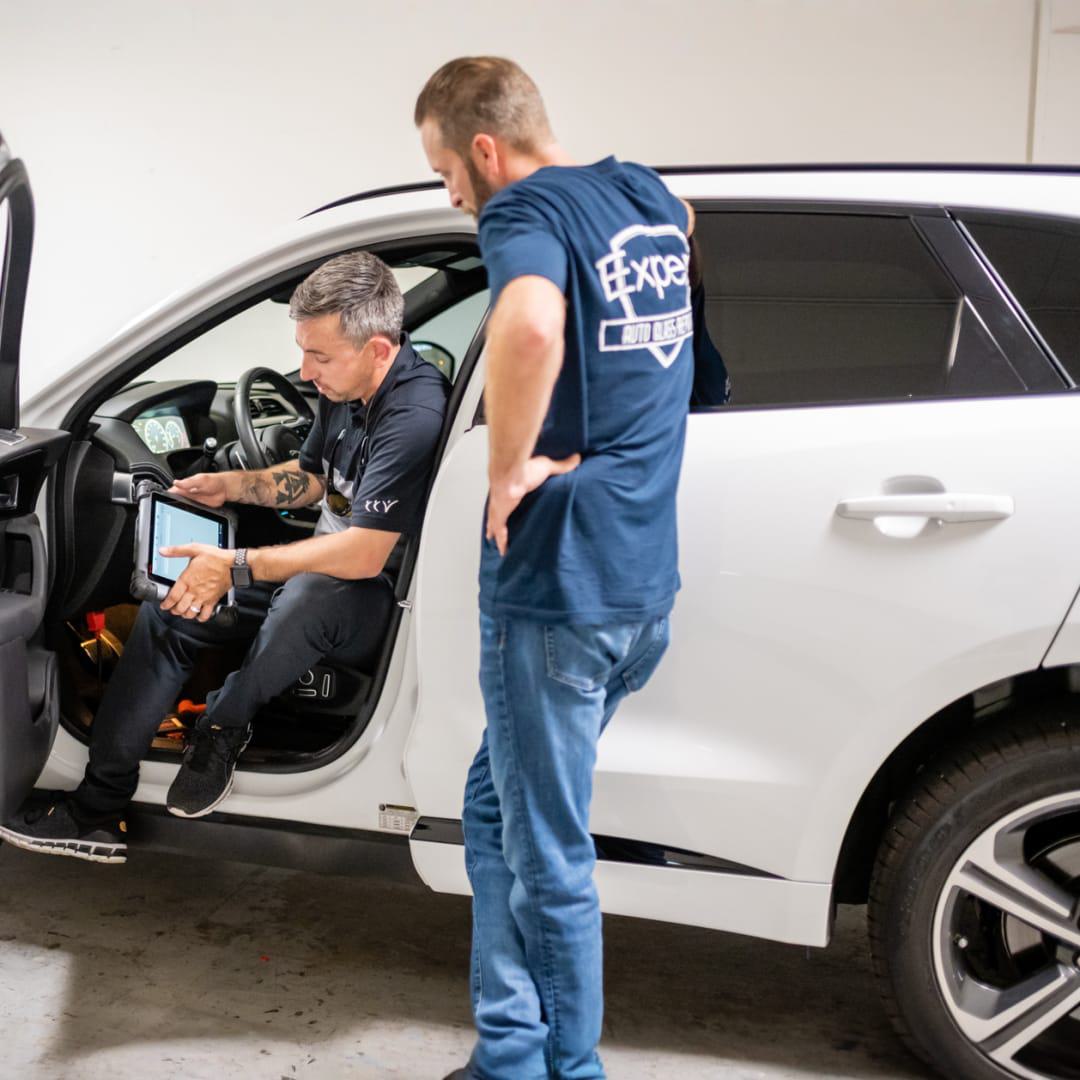
There are two ways to correct it. Static calibration happens with targets and measured distances in a controlled space, and dynamic calibration happens on the road under specific speed and lane-marking conditions, which is straightforward on Loop 101 and considerably less so downtown at rush hour. We do both, and we tell you which one your vehicle requires before we quote it, because a shop that skips this step is handing you back a car that looks finished and is not.
Post-2015
Most vehicles of this era need recalibration after glass work
Static
Targets and measured distances in a controlled space
Dynamic
Road procedure at set speeds with clear lane markings
Insurance, Cost, and Arizona Law
Arizona treats auto glass differently than most states, which works in your favor more often than not. Here is how coverage, pricing, and the relevant statutes actually play out.
In many cases it will. Under ARS 20-264, insurers offering comprehensive coverage in Arizona have to make full safety glass coverage available with no deductible if the customer selects it. Whether you have that option on your policy is the part worth checking, and we will verify your benefits with you before any work is scheduled.
Standard windshields generally run $250 to $400. Specialty and luxury vehicles with sensor arrays or manufacturer-required OEM glass run $500 to $1,000, and side or rear windows fall between $200 and $450. Our technician gives you a candid assessment of the damage first, tells you whether a repair will do, and quotes the number before anything starts.
Four things move the price: the make and model, whether the glass is OEM or aftermarket, whether the vehicle needs ADAS recalibration, and whether the work happens mobile or in the shop. A truck with a rain sensor, a heated wiper park, and a forward camera is simply a different job than a base model sedan.
As soon as you are somewhere safe. Waiting rarely helps, and in Phoenix it usually hurts, because heat and freeway vibration turn a repairable chip into a replacement in a matter of days. The sooner the claim is open, the sooner we can get the appointment on the calendar.
Yes. We quote competitive out-of-pocket pricing up front, before anything is scheduled, so there are no surprises. Sometimes a deductible is larger than the job itself, and in that case paying cash is simply the better decision. We will say so.
It can be. Under ARS 28-957.01, any crack or chip that obstructs the driver's view can result in a violation. ARS 28-956 also requires two functioning mirrors if the windshield is damaged or removed, and ARS 28-959 requires that replacement glass meet federal safety glazing standards.
It depends on the manufacturer. OEM glass meets exact factory specification and offers the highest guarantee of fit, optical clarity, and UV performance, which matters in a climate like this one. OEM usually costs somewhat more, though many policies cover it with little or nothing out of pocket.
Faster than almost anywhere else. Pavement above 110 degrees radiates heat into the base of the glass while the AC chills the inside, and that temperature split is what makes a chip run. Add freeway vibration on I-17, I-10, Loop 101, and Loop 202 and a small star can cross your line of sight inside a week.

Free Mobile Service
Call for a free quote and we will verify your insurance glass benefit with you. Mobile service never costs extra, and qualifying claims earn up to $200 cash back.

Still Wondering
Every vehicle and every policy is a little different. Call and describe what happened, and you will get a real answer from someone who does this work rather than a script.
Expert Auto Glass Repair · 2310 W Mission Ln STE 8, Phoenix, AZ 85021 · (602) 344-9444 · Open 6 days a week · Free mobile service Valley wide